Modern commuters now look for cleaner, cheaper, and more reliable ways to travel. Hence, the flexible E-scooter has rapidly become a leading choice for riding through busy city streets today. These lightweight vehicles provide an excellent solution to heavy traffic and emissions regulations. However, the true long-term value of your investment relies heavily on its power source.
The lithium-ion battery pack represents the absolute beating heart of any quality E-scooter. It directly dictates how far you can travel and how well your vehicle accelerates. Yet, many daily riders remain completely unsure about how to look after this component.
Let's explore essential things you must know about battery lifespan and daily charging habits.
Best Practices for Battery Longevity in E-scooters
Understanding how battery systems work and how daily habits affect performance is essential for getting the best efficiency, safety, and long-term durability from an E-scooter.
The Chemistry and True Lifespan Expectations
Every modern, high-performance E-scooter utilises lithium-ion chemistry to deliver smooth and consistent power. These batteries do not last forever, but they are durable when manufactured correctly. Most standard power packs are rated for a specific number of cycles before performance dips.
A single charge cycle represents using 100% of the total battery capacity. This does not mean draining the cells to zero in one trip. High-quality vehicles offer brilliant long-term reassurance through extensive manufacturer warranty coverage.

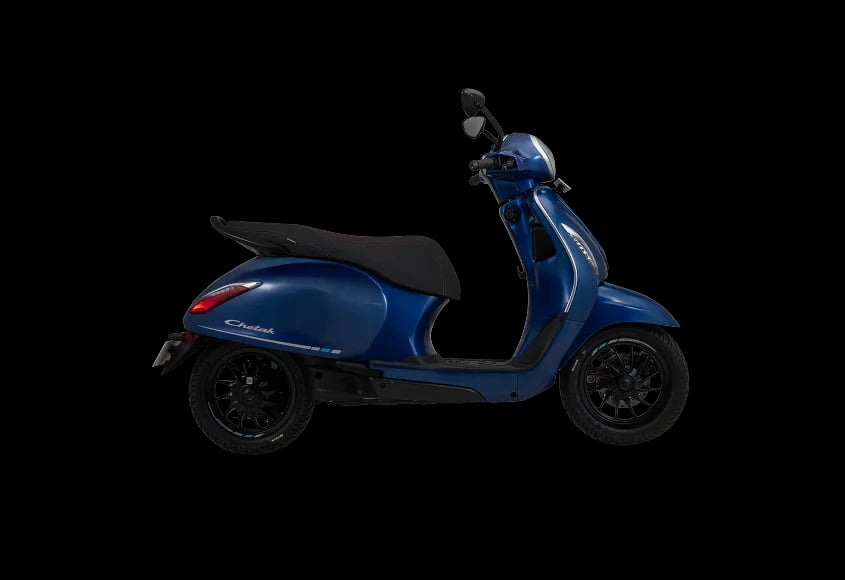
Bajaj Chetak C3501
Image Source: Bajaj Chetak
The Golden Rule of Daily Charging: Avoid the Extremes
Many riders believe they should drain their battery completely before plugging it in. This is a damaging myth left over from old nickel-cadmium technology. Modern lithium-ion packs suffer severe chemical stress at absolute extreme states of charge.
Leaving your vehicle at 0% can trigger permanent and costly cell damage. Conversely, allowing it to sit at 100% for days causes stress. The ideal operating window for daily usage sits between 20 and 80%.
Of course, you will need the maximum range for longer journeys across town. Charging to full capacity is perfectly fine if you plan to ride immediately. The damage occurs when a fully charged vehicle sits idle for weeks. Try to top up your vehicle incrementally rather than waiting for an empty warning.
Understanding Charging Times and Hardware Variations
Charging speeds depend heavily on your specific vehicle setup and the charging hardware used. You cannot simply push infinite electricity into a battery without causing overheating issues. Balanced charging profiles ensure safety while keeping your downtime to a minimum.
This intentional slowdown prevents overheating and balances internal cell voltages perfectly. Always use the official manufacturer charger to ensure these built-in protocols remain active.
Thermal Management and Environmental Hazards
Batteries are highly sensitive to ambient temperatures and harsh environmental weather conditions. Extreme cold slows down chemical reactions, which temporarily reduces your available riding range. On the other hand, excessive heat accelerates internal component degradation permanently.
Never plug your vehicle into a charger immediately after a long, intense ride. The internal components need time to cool down before handling incoming current. Charging a hot battery creates a thermal loop that shortens its overall lifespan.
Furthermore, ensure your vehicle features high-level ingress protection against water and dust. A certified water resistance rating protects the battery from road splashes. Never charge your vehicle in a damp environment or while the port is wet. Clean, dry, and moderate conditions are ideal for safe daily energy replenishment.

Bajaj Chetak C3502
Image Source: Bajaj Chetak
Storage Protocols for Long Periods of Non-use
Riders may sometimes leave their vehicle unused during holidays or colder months. Proper storage plays an important role in keeping the battery healthy and extending its life. Poor preparation can lead to battery damage or deep discharge issues.
Do not store the vehicle for long periods with the battery fully drained or fully charged. Store the vehicle in a dry place, away from direct sunlight and extreme cold. Check the battery level once a month, as it slowly loses charge over time. Following these simple steps helps maintain battery health until the vehicle is used again.
Make Smarter Choices for Long-lasting E-scooter Performance
To get the best use from your E-scooter, it is important to take proper care of the battery. Do not let the battery fully drain, and always use the official charger provided. After long rides, allow the E-scooter to cool down before plugging it in to charge. This helps protect the battery and improve its life.
Choosing E-scooters from trusted brands like Bajaj also adds to long-term reliability. With simple and careful charging habits, you can enjoy better performance, longer battery life, and smooth everyday travel. Choose a smarter, more reliable ride for your daily commute today.