Punjab Newsline | Chandigarh
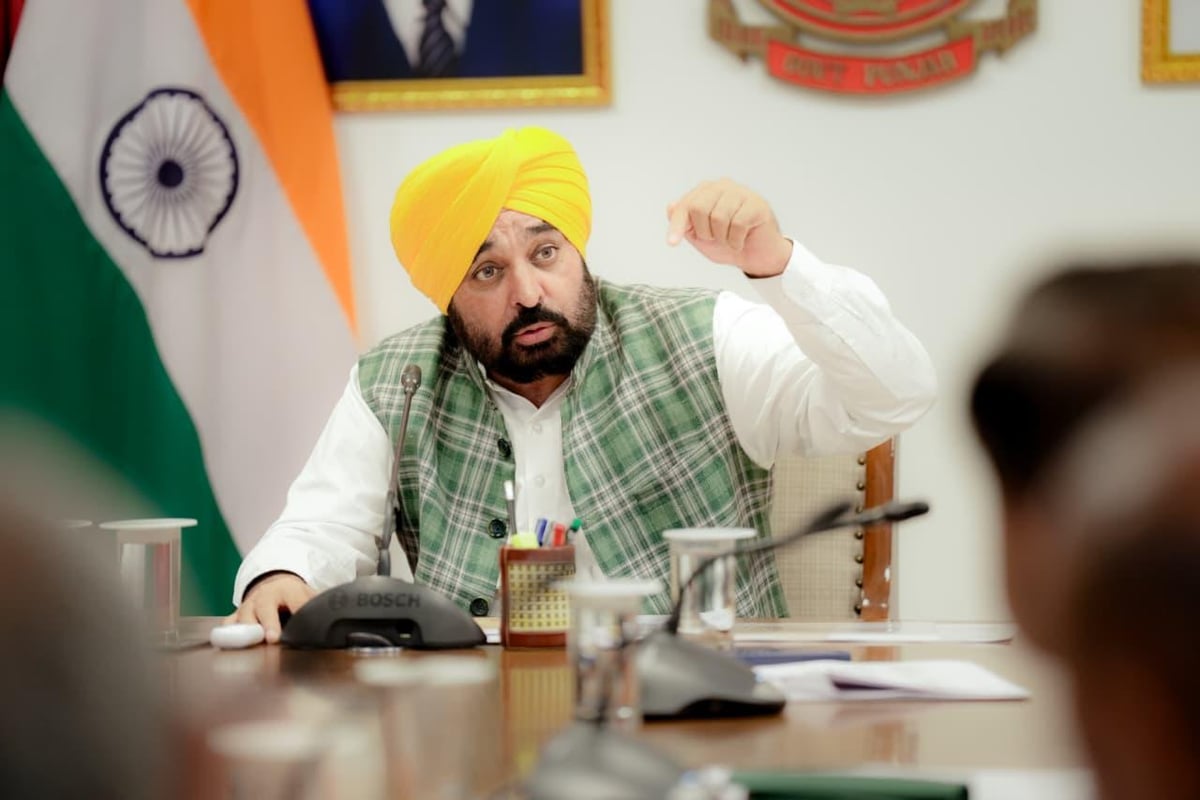
Punjab Chief Minister Bhagwant Singh Mann on Friday gave in-principle approval to launch a pilot project in the border districts of Amritsar, Tarn Taran and Fazilka to strengthen psychosocial care for people undergoing treatment for drug addiction.
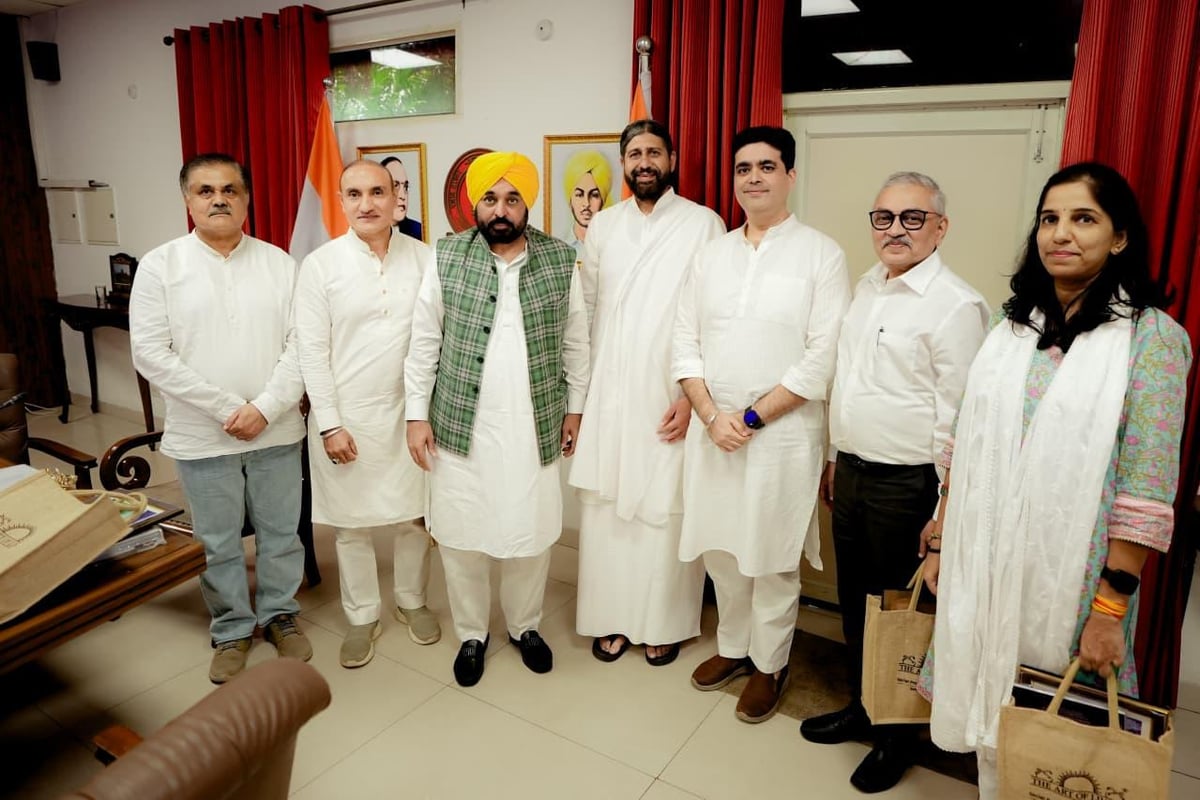
The initiative will complement existing medical treatment at Outpatient Opioid Assisted Treatment (OOAT) clinics and jails in Gurdaspur and Kapurthala. The decision was taken during a meeting between Chief Minister Mann and a delegation of the Art of Living Foundation.
Chairing the meeting, Mann said the initiative would introduce an Art of Living-based spiritual wellness program aimed at bridging the gap between medication-based treatment and sustained psychosocial rehabilitation.
He said that while Punjab had expanded access to medication for people battling drug addiction, retaining patients in treatment during the initial months remained a major challenge.
“Along with medication, it is equally important to strengthen the mental resolve of a person undergoing de-addiction. De-addiction cannot be confined merely to medical treatment, as it is also a battle involving emotions and willpower,” Mann said.
The Chief Minister said the state government was committed to helping people affected by addiction move towards a dignified and purposeful life and achieve complete rehabilitation.
According to Mann, the pilot programme will complement existing clinical treatment and will be implemented with the support of medical staff. Trained local personnel will gradually take over its implementation to ensure that the program can continue without long-term dependence on external support.
He said the initiative would broaden Punjab's anti-drug efforts beyond legal enforcement by focusing on rehabilitation, relapse prevention, community participation and long-term recovery.
“Punjab will continue its fight against drugs by using every available means — medical treatment, counselling, rehabilitation, community support and stringent legal action,” Mann said.
He added that the government’s objective was not only to bring people into treatment but also to help them remain in treatment and return to a healthy life with self-respect and dignity.
Mann further said the government had already taken steps to disrupt the drug trafficking network by targeting the supply chain and arresting traffickers. He said the next major challenge was ensuring timely and effective rehabilitation of people affected by drug addiction.
Art of Living to work on groundwater conservation
During the meeting, Mann also asked the Art of Living Foundation to undertake a pilot project in Mansa and Sangrur districts to explore comprehensive strategies for groundwater recharge and conservation.
He said the initiative would initially be implemented in the two districts before being expanded across Punjab.
“It is essential to conserve every drop of groundwater so that this invaluable gift of nature can be safeguarded for future generations,” Mann said.
Chief Minister directed the foundation to coordinate with various government departments during awareness campaigns to reach farmers, youth, students and other sections of society.
He said protecting Punjab’s declining groundwater levels remained one of the state government’s foremost priorities and was essential for long-term water security and climate resilience.
Highlighting the government’s efforts to increase canal irrigation, Mann said an extensive network of watercourses and distributaries had been developed across the state. He added that 14,000 kilometres of pipelines had been laid.
According to Mann, canal water accounted for only 22% of irrigation water when his government assumed office, while canal water utilisation for agriculture had now increased to 88%.
He said the number of blocks facing critical groundwater stress had declined from 166 in 2022 to 152 in 2026. Of these, 90 blocks were showing continuous improvement, with groundwater levels rising by around 1 to 1.5 metres, he said.
Mann also highlighted Punjab’s role in national food security, saying the state produces around 18 million metric tonnes of paddy annually for the country’s food reserves despite paddy not being Punjab’s staple food.
“Punjab’s fight for water security is a fight for the future of our state,” the Chief Minister said, adding that the government would continue to strengthen canal irrigation and promote groundwater conservation.
Chief Secretary K.A.P. Sinha and other senior officials were present at the meeting. From the Art of Living Foundation, Brahmachari Pragya Chaitanya, Chairman of Vyakti Vikas Kendra India, along with other representatives, attended the meeting.