Punjab Newsline | Mumbai
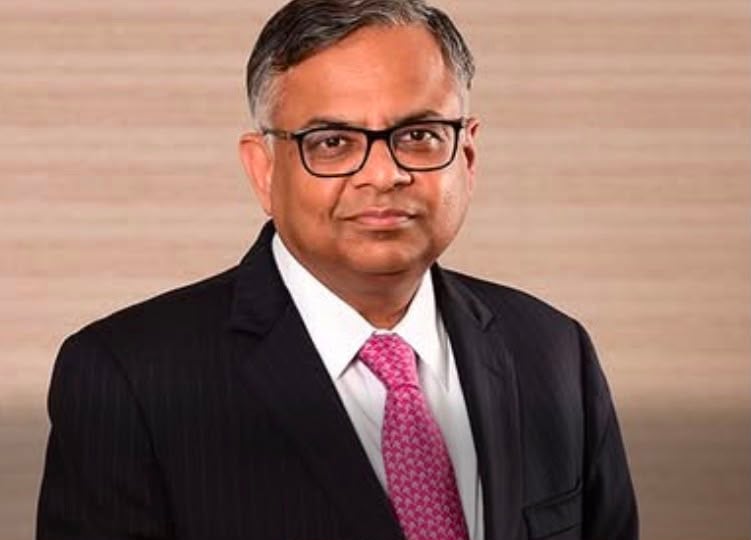
Tata Sons Chairman N Chandrasekaran has resigned from his position just days before the company’s Annual General Meeting scheduled for August 18. However, he will continue in the role until February 20, 2027, when his current term officially ends.
Chandrasekaran, who took charge in 2017, was the first professional manager from outside the Tata family to lead the Tata Group. During his tenure, the group’s revenue more than doubled and the conglomerate expanded aggressively into several new businesses.
Extension Proposal Stalled
In a detailed statement, Chandrasekaran said that Sir Dorabji Tata Trust and Sir Ratan Tata Trust had unanimously passed a resolution recommending a five-year extension of his term.
According to him, the proposal was subsequently endorsed by the Nomination and Remuneration Committee and recommended by the Tata Sons board. The matter was placed before the board on February 24, 2026.
However, the proposal could not move forward because one board member did not support it. Chandrasekaran said that in the absence of unanimous backing, he chose not to push the decision further.
“It has been six months since that board meeting, and no decision has been taken till today,” he said.
Differences With Tata Trusts
Sources indicated that Noel Tata, chairman of Tata Trusts, which holds about 66% stake in Tata Sons, was reportedly opposed to granting a full five-year extension to Chandrasekaran.
While the board had initially supported another five-year term in February, Noel Tata is said to have raised concerns about the performance of newly launched businesses and favored only a two-year executive extension.
Market Reaction
Following reports of Chandrasekaran’s resignation, shares of several listed Tata Group companies came under pressure. TCS, Tata Motors, Tata Steel, and Tata Consumer Products fell by as much as 3% in trading.
A Transformative Yet Challenging Tenure
Chandrasekaran’s tenure has been marked by major strategic moves, including investments in electric vehicles, semiconductors, digital businesses, aviation, and consumer technology. While these initiatives positioned the Tata Group for future growth, they also involved substantial capital expenditure, which reportedly became a point of contention with sections of the Tata Trusts leadership.
The development has sparked fresh speculation about the future leadership of Tata Sons and the direction of India’s largest business conglomerate after February 2027.