Punjab Newsline | Washington
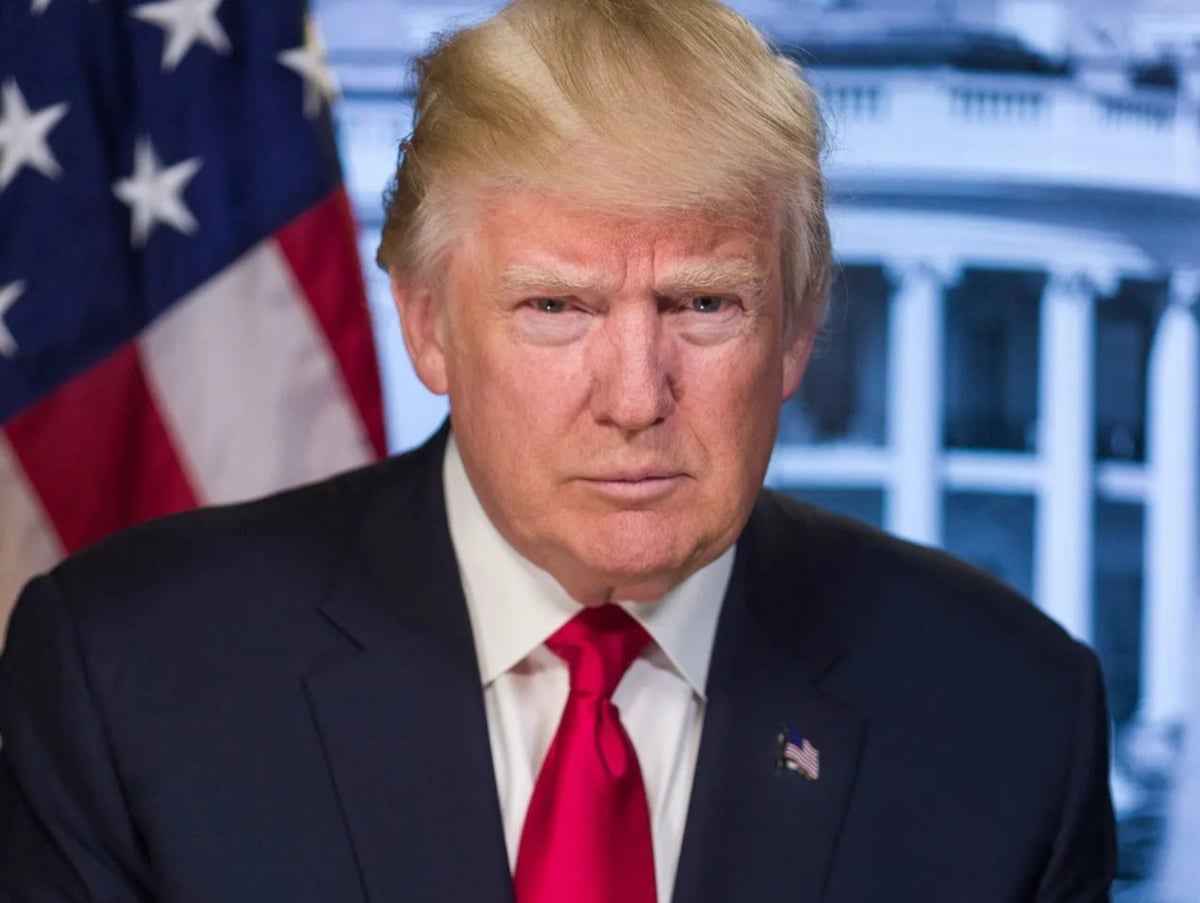
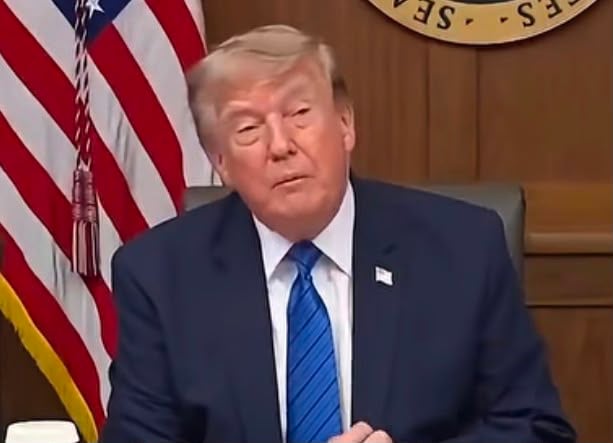
US President Donald Trump has once again moved to narrow the scope of birthright citizenship in the United States by signing two new executive orders related to immigration, according to the White House.
Speaking about the measures, Trump said that one of the orders is aimed at limiting the number of people born in the US who would automatically qualify for American citizenship. The second order targets “birth tourism”, a practice in which foreign nationals travel to the United States to give birth so that their child obtains US citizenship.
Under the new order, the administration plans to expand visa restrictions on foreign tourists suspected of travelling to the US primarily for childbirth purposes.
Announcement comes despite a recent US Supreme Court decision that upheld birthright citizenship, rejecting earlier attempts by Trump to restrict automatic citizenship for children born to people who are in the country illegally or temporarily.
In its June ruling, the Supreme Court reaffirmed that children born in the United States are entitled to US citizenship regardless of their parents’ immigration status, citing the landmark case United States v. Wong Kim Ark. The Court reiterated that children born on American soil to foreign parents are protected under the 14th Amendment.
Trump administration, however, argues that the original intent of the 14th Amendment was to guarantee citizenship to the children of formerly enslaved people after the Civil War, not to provide automatic citizenship to every child born to foreign nationals in the country.
White House adviser Stephen Miller defended the executive actions, saying they are based on the “original meaning” of the 14th Amendment. He said the President is exercising his authority as Commander-in-Chief to expand the categories of individuals who may be considered ineligible for automatic citizenship.
White House has not yet released detailed provisions of the two executive orders, and legal experts expect the measures to face immediate constitutional challenges in federal courts.
The renewed push is likely to reopen one of the most contentious debates in US immigration policy, with critics arguing that any attempt to limit birthright citizenship would conflict with the Constitution, while supporters say the current system encourages misuse of immigration and visa laws.