Punjab Newsline | Chandigarh
Ludhiana has emerged as the district with the highest number of beneficiaries under the Punjab Government's Maavan Dhian Satkar Scheme, launched under the leadership of Chief Minister Bhagwant Mann. As of July 14, 2026, the district has registered 7.4 lakh beneficiaries, the highest in the state.
According to official figures, Patiala follows with 5.3 lakh registrations, Amritsar with 4.9 lakh, Jalandhar with 4.8 lakh, Gurdaspur with 4.4 lakh, and Hoshiarpur with 4.2 lakh beneficiaries. Malerkotla recorded the lowest enrolment, with 1.3 lakh beneficiaries. Across Punjab, the scheme has registered a total of 68.9 lakh beneficiaries.
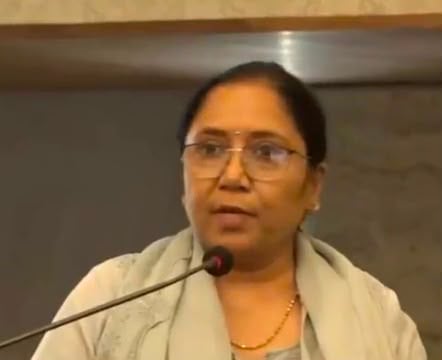
Punjab Social Security, Women and Child Development Minister Dr. Baljit Kaur said the high registrations in districts such as Ludhiana, Patiala, Amritsar, Jalandhar, Gurdaspur and Hoshiarpur are due to their larger populations, strong administrative networks and greater public awareness of welfare schemes.
She said the entire government machinery is working together to ensure the successful implementation of the scheme.
Officials said larger districts naturally have more eligible families because of their higher urban and rural populations, greater number of Assembly constituencies and larger beneficiary base. Cities such as Ludhiana, Amritsar and Jalandhar also attract people from neighbouring districts for employment, education and livelihood opportunities, contributing to higher enrolment.
The government noted that many families in these districts belong to rural and economically weaker sections, increasing the number of beneficiaries eligible for schemes supporting daughters. Better access to birth registration, Aadhaar enrolment, bank accounts and other essential documents has also helped more families complete the registration process.
District administrations have conducted awareness campaigns and worked with local bodies and Anganwadi workers to encourage eligible families to apply. Authorities also focused on timely verification and processing of applications, leading to higher registration numbers.
In contrast, districts such as Malerkotla have recorded fewer registrations primarily due to their smaller population and comparatively lower number of eligible families.