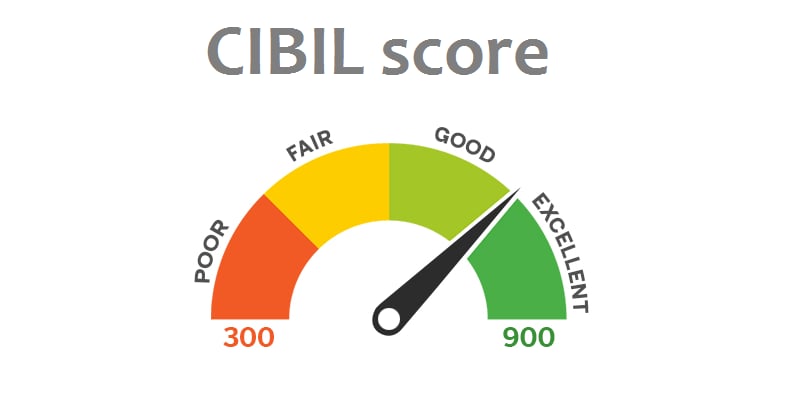
Your CIBIL score is a three-digit number between 300 and 900 that lenders use to judge whether you're a safe bet for a loan or credit card. The closer you are to 900, the better your chances of getting approved at favorable interest rates. But what actually goes into calculating that number? It's not a black box. CIBIL, formally known as TransUnion CIBIL, uses a specific set of factors, each carrying a different weight. Understanding these five factors gives you real control over your creditworthiness.
Payment History: The Single Biggest Factor
Your repayment track record carries the most weight in your CIBIL score calculation. If you've been paying your EMIs and credit card bills on time, consistently, month after month, this factor works heavily in your favor. Miss a payment, and the damage is immediate and lasting. A single default can stay on your credit report for years.
What catches people off guard is how even small delays matter. Paying your credit card bill five days late might not seem like a big deal, but if the lender reports it to CIBIL as a late payment, it hits your score. The severity scales up with the length of the delay. A 30-day delay is bad. A 90-day delay is significantly worse. If you're exploring options through a poonawalla cibil score service, one of the first things you'll notice is how prominently payment history features in the breakdown.
The practical advice here is boring but effective: automate your payments. Set up auto-debit for at least the minimum due on credit cards and for all loan EMIs. It removes human forgetfulness from the equation entirely.
Credit Utilization Ratio: How Much of Your Limit You Actually Use
This is the second most influential factor, and it trips up a lot of people who think they're doing everything right. Your credit utilization ratio is the percentage of your total available credit that you're currently using. If you have a credit card with a limit of ₹2,00,000 and your outstanding balance is ₹1,60,000, your utilization is 80%. That's far too high.
The general guideline is to keep utilization below 30%. Ideally, aim for something closer to 10-20%. High utilization signals to lenders that you might be overly dependent on credit, even if you pay your bills in full every month. The score algorithm doesn't care about your intentions. It cares about the numbers at the time of reporting.
One workaround is to request a credit limit increase without changing your spending habits. If your limit goes from ₹2,00,000 to ₹4,00,000 but your spending stays at ₹40,000, your utilization drops from 20% to 10%. Same behavior, better score.
Length of Credit History: Patience Pays Off
The age of your credit accounts matters more than most people realize. A longer credit history gives CIBIL more data to work with, and more data generally means a more reliable score. This factor considers the age of your oldest account, the age of your newest account, and the average age of all your accounts combined.
This is why financial advisors often tell you not to close old credit cards, even ones you rarely use. That old card you got in college might be anchoring your average credit age. Close it, and your average drops, which can quietly lower your score. Keep it open, use it occasionally for a small purchase, and pay it off. The card does more for you sitting in your wallet than it does canceled.
Young borrowers face a natural disadvantage here. There's no shortcut. Time is the only fix.
Credit Mix: Variety Signals Maturity
CIBIL likes to see that you can handle different types of credit. A healthy mix of secured loans like home loans or car loans alongside unsecured credit like credit cards or personal loans suggests financial maturity. If your entire credit profile consists of only credit cards, that's a thinner picture than someone juggling a home loan, a credit card, and maybe an older car loan that's been paid off.
That said, don't take out a loan you don't need just to diversify your credit mix. The benefit is real but modest compared to payment history and utilization. If you regularly check cibil score reports, you'll see how your credit mix is categorized and whether it's helping or hurting.
New Credit Inquiries: Every Application Leaves a Mark
Each time you apply for a loan or credit card, the lender pulls your credit report. This is called a hard inquiry, and it temporarily lowers your score by a few points. One inquiry isn't a problem. Five inquiries in two months looks desperate.
Lenders see multiple applications in a short window as a red flag. It suggests you're either being rejected elsewhere or scrambling for credit. Space out your applications. And before applying, do a soft inquiry on your own first to see where you stand. Soft inquiries don't affect your score.
The bottom line is straightforward. Your CIBIL score isn't arbitrary. It responds directly to your financial behavior across these five dimensions. Pay on time, keep balances low, maintain old accounts, hold a sensible mix of credit types, and don't apply for new credit unless you need it. None of this is complicated. The hard part is consistency.