Punjab Newsline | Chandigarh
Punjab has announced an ambitious expansion of its Direct Seeding of Rice (DSR) programme, setting a target of bringing 5 lakh acres under the water-saving cultivation technique during the 2026–27 kharif season. The state government has also allocated a dedicated budget of ₹40 crore to support this initiative, aiming to further strengthen groundwater conservation efforts while reducing the cost of paddy cultivation for farmers.
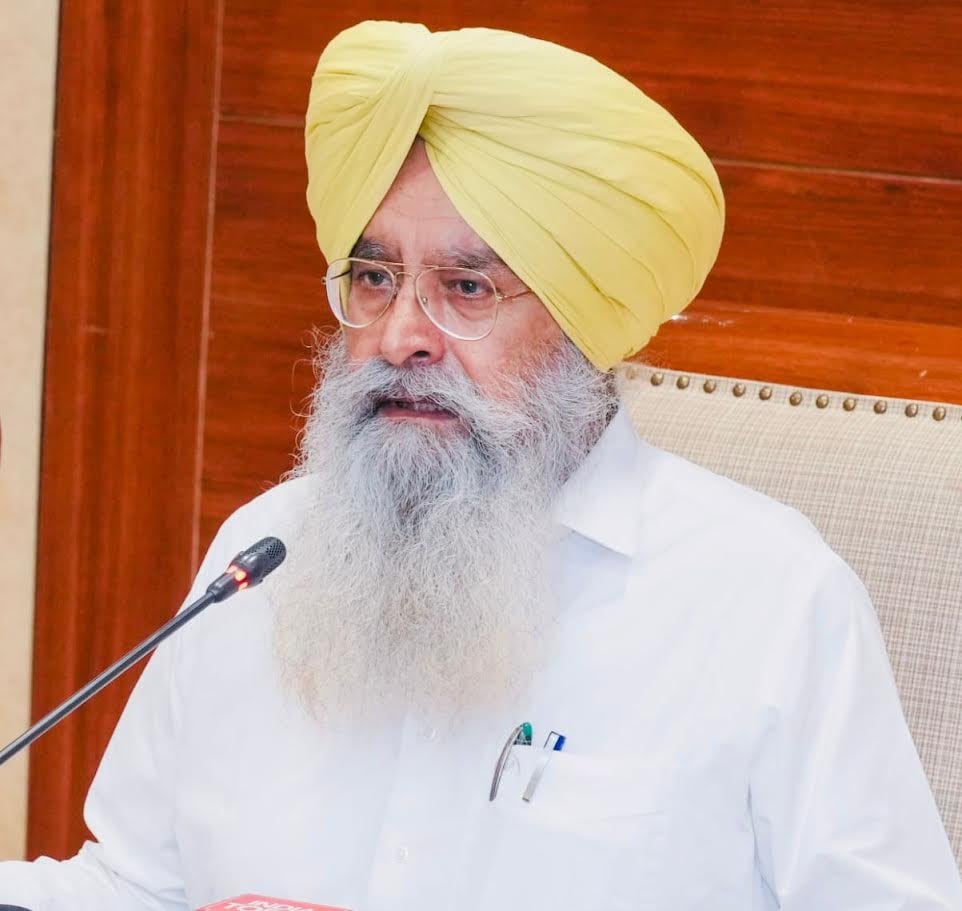
Punjab Agriculture and Farmers Welfare Minister Gurmeet Singh Khudian shared that the DSR initiative has already shown strong results in the 2025 kharif season, with 23,410 farmers adopting the technique across 2,35,899 acres. Under the scheme, the state government has directly transferred more than ₹35.38 crore into farmers’ bank accounts as financial assistance at the rate of ₹1,500 per acre, ensuring transparent and timely support.
Describing the initiative as a “farmer-led revolution in water conservation,” Khudian said the encouraging response from farmers has given the government confidence to scale up the programme significantly. He added that Punjab’s groundwater crisis demands urgent and practical solutions, and DSR has emerged as one of the most effective alternatives to traditional paddy transplantation.
The Agriculture Minister highlighted that the online DSR registration portal is already active, allowing farmers to easily enroll and claim incentives without bureaucratic delays. He urged more farmers across the state to adopt the technique in the upcoming season to benefit from both financial assistance and reduced production costs.
According to officials, the DSR method eliminates the need for nursery raising and puddling, thereby saving substantial irrigation water—estimated at 15 to 20 percent—and reducing dependence on manual labour. This not only lowers cultivation costs but also helps address Punjab’s rapidly declining groundwater levels, which have become a major environmental concern.
The government believes that expanding DSR adoption is a crucial step toward building a more sustainable agricultural system in the state, ensuring both environmental protection and economic stability for farmers in the long run.