Punjab Newsline | Chandigarh
Stroke remains one of the leading causes of death and disability worldwide, often striking without warning and turning an ordinary day into a medical emergency. In Punjab, the Mukh Mantri Sehat Yojana has emerged as a crucial financial support system for patients requiring emergency stroke treatment.
According to data released by the State Health Agency (SHA), Punjab, the scheme covered 914 stroke cases worth ₹4.15 crore over the past six months. The treatments included emergency stroke management, advanced imaging, intensive care, and prolonged hospitalization. Acute ischemic stroke recorded the highest number of cases and treatment expenditure, with 48 cases costing ₹14.27 lakh.
Stroke, commonly known as a "brain attack," occurs when blood flow to the brain is blocked or when a blood vessel ruptures, depriving brain cells of oxygen. Major risk factors include high blood pressure, diabetes, high cholesterol, smoking, obesity, and unhealthy lifestyle habits.
The World Health Organization (WHO) identifies stroke as one of the world's leading causes of death and long-term disability, while the US Centers for Disease Control and Prevention (CDC) emphasizes that early treatment significantly improves recovery and that controlling blood pressure, diabetes, and other lifestyle-related risks can help prevent strokes.
SHA records indicate that Acute Stroke and Acute Ischemic Stroke accounted for the majority of treated cases. Although hemorrhagic strokes were fewer in number, they incurred higher treatment costs per patient due to advanced procedures such as CT and MRI scans, tracheostomy, blood transfusions, and intensive care.
Punjab Health and Family Welfare Minister Dr. Balbir Singh said the government's priority is to ensure that financial constraints do not delay life-saving treatment. "Healthcare schemes like Mukh Mantri Sehat Yojana ensure patients receive timely care when they need it the most. In stroke emergencies, every minute counts, and financial assistance can make the difference between delay and survival," he said.
Dr. Harman Sobti, Senior Consultant Neurosurgeon and Spine Surgeon at Sobti Neuro Super Speciality Hospital and Mohandai Oswal Hospital, Ludhiana, described stroke as a medical emergency where early diagnosis and treatment are critical. He said advanced imaging technologies, intensive monitoring, and prompt intervention have significantly improved patient outcomes.
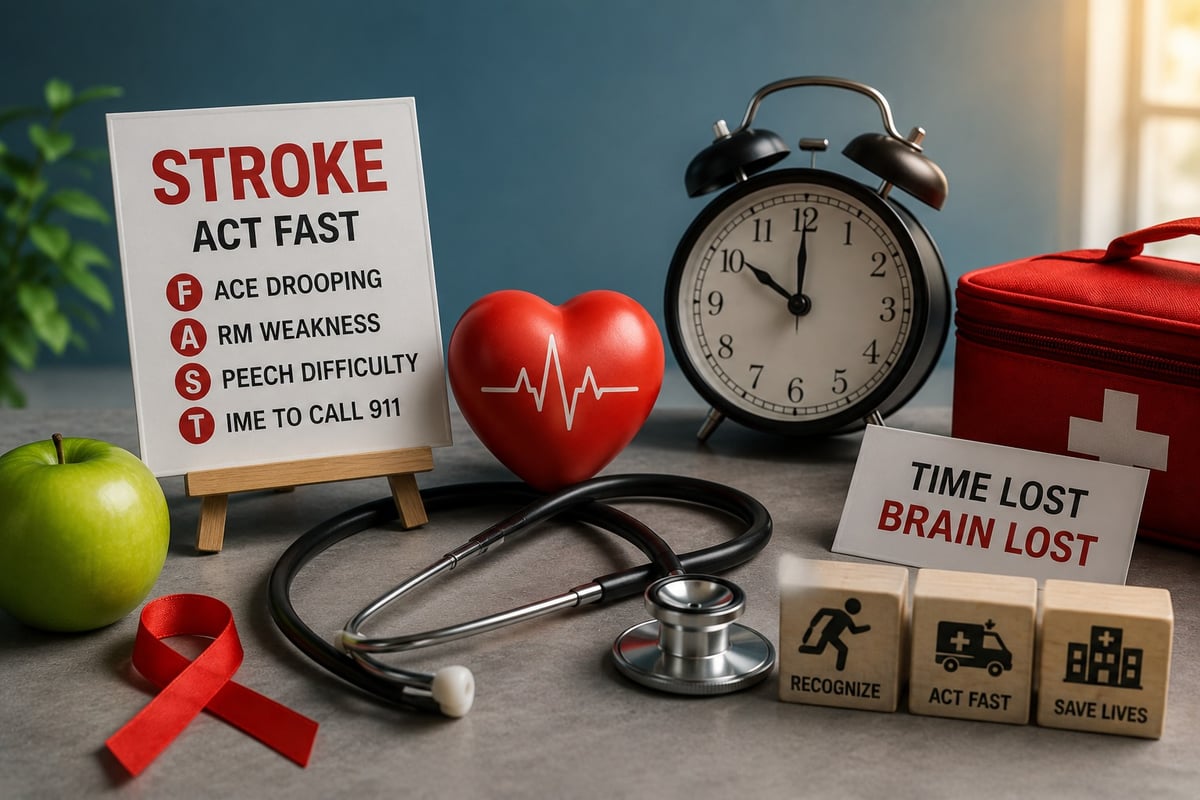
Dr. Sobti also urged the public to recognize warning signs such as sudden weakness, facial drooping, and difficulty speaking, and to seek immediate medical attention. He noted that ischemic strokes account for the majority of treated cases and that complex stroke treatment can impose a significant financial burden on families, making the Mukh Mantri Sehat Yojana an important safety net. However, he emphasized that prevention through effective blood pressure control, diabetes management, and healthier lifestyle choices remains the best defence against stroke.
Key Highlights:
914 stroke patients treated under Mukh Mantri Sehat Yojana in the last six months.
₹4.15 crore spent on stroke treatment across Punjab.
Acute ischemic stroke accounted for the highest number of treated cases.
Advanced CT and MRI imaging play a vital role in stroke diagnosis and management.
Experts stress that early treatment and preventive healthcare remain the most effective ways to reduce stroke-related deaths and disabilities.