Punjab Newsline | Chandigarh
State targets 50,000 acres shift from paddy as Mann govt steps up crop diversification drive
In a major policy push to promote crop diversification and tackle the alarming decline in groundwater levels, the Punjab government led by Chief Minister Bhagwant Singh Mann has expanded its Kharif maize cultivation scheme from six to 16 districts for the 2026–27 season. The initiative, backed by a financial incentive of ₹17,500 per hectare, aims to encourage farmers to shift away from water-intensive paddy cultivation toward maize, a more sustainable alternative.
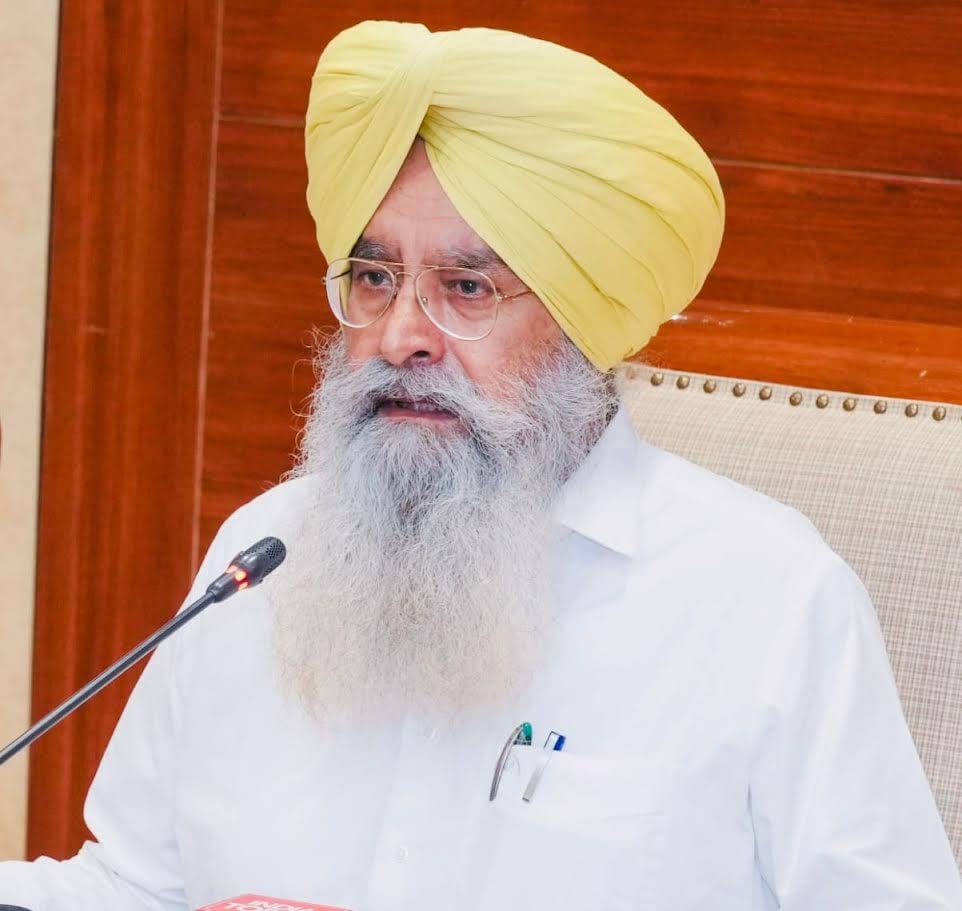
Announcing the expansion, Agriculture and Farmers Welfare Minister Gurmeet Singh Khudian said the move comes after an encouraging response to the pilot project implemented during 2025–26. He described the decision as a decisive step towards reducing pressure on the state’s rapidly depleting groundwater reserves while ensuring better income opportunities for farmers.
Under the scheme, the government has set a target to bring 20,000 hectares (around 50,000 acres) under Kharif maize cultivation across districts including Amritsar, Bathinda, Ludhiana, Patiala, Sangrur and others. The subsidy structure remains unchanged from last year, with ₹4,500 provided upon submission of input bills, and the remaining ₹13,000 released in two instalments after successful crop verification.
To ensure transparency and efficiency, the entire process—from farmer registration to subsidy disbursal—has been fully digitised. Farmers must register online, submit a valid J-form, and complete geo-tagging of their fields to confirm the shift from last year’s paddy crop to maize cultivation. Verification will be conducted in two phases in July and August through the Unnat Kisan Portal, with payments released after each stage.
The minister also directed officials to intensify awareness campaigns at the grassroots level to maximize farmer participation. Emphasising long-term sustainability, Khudian stated that the traditional paddy-wheat cycle is no longer viable for Punjab. He added that the scheme, coupled with assured procurement support, is designed not only to conserve water resources but also to secure the economic future of farmers across the state.