Punjab Newsline | New Delhi
India is set for major financial reforms starting April 1, 2026. The six-decade-old income tax law will be replaced by the Income Tax Act, 2025, and the new GST 2.0 system will come into effect. These changes are expected to impact salaries, savings, daily expenses, and the overall financial landscape for citizens.
Key Deadlines Before March 31
Taxpayers must complete certain tasks by March 31 to avoid penalties and financial loss:
- Investments for Tax Savings: Contributions to PPF, ELSS, and life insurance under Sections 80C and 80D should be made before March 31 to avail tax benefits for the current financial year.
- Keep Accounts Active: Minimum deposits are required in PPF, NPS, and Sukanya Samriddhi accounts to avoid penalties.
- Update Old Tax Returns: Last date to file updated returns for FY 2020–21 is March 31.
- For NRIs: Submission of Form 67 is required to claim foreign tax credit and prevent double taxation.
GST 2.0: What’s Cheaper and Costlier
- Cheaper: Health and life insurance, 33 essential medicines, and unpacked dairy products are now tax-free. Small cars, ACs, and TVs have moved from 28% to 18% GST.
- Costlier: Tobacco, luxury vehicles, large SUVs, and online gaming will now attract a 40% GST.
Impact on Daily Expenses
- LPG Prices: Domestic cylinders rise from ₹853 to ₹913; commercial cylinders increase to ₹1,883, raising costs for eating out.
- Medicines: Prices of over 900 essential medicines, including paracetamol and antibiotics, may increase by up to 1.74%.
- Cars: Automakers including Tata, Honda, and Mercedes have increased vehicle prices by ₹25,000–₹65,000 in preparation for BS-7 emission norms.
Changes in Travel and Banking
- FASTag Annual Pass: Increased from ₹3,000 to ₹3,075.
- Train Tickets: Cancellation within eight hours of departure will now have no refund.
- Banking: UPI-based ATM withdrawals now count towards free transaction limits, with charges beyond the limit at ₹23. Minimum balance penalties will now be proportional to the shortfall.
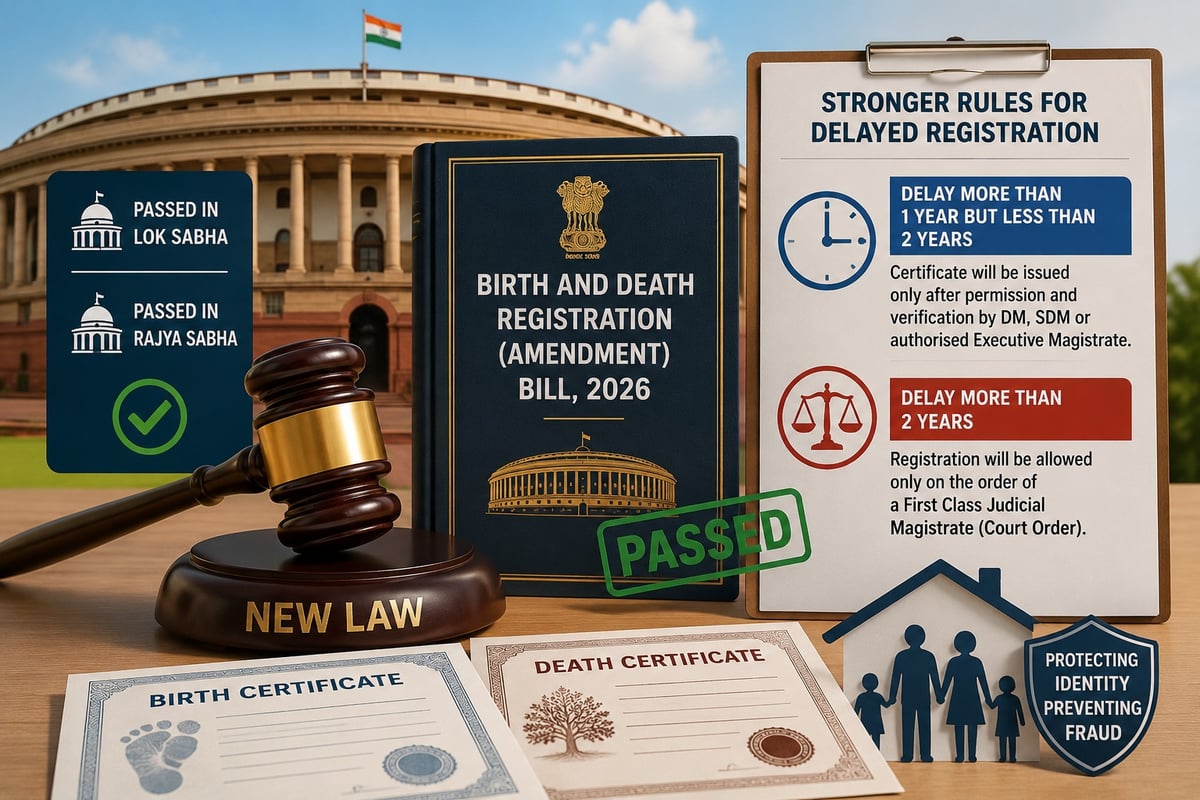
- PAN and Digital Payments: New PAN applications require 10th-grade certificate or birth certificate. Two-factor authentication, including biometrics, is now mandatory for digital payments.
Pension and Health Insurance Updates
- NPS: Retirees can now withdraw up to 80% as a lump sum; accounts with ≤ ₹8 lakh corpus can withdraw 100%.
- Health Insurance: Moratorium period reduced to five years; claims cannot be denied on the basis of pre-existing conditions after five years of premiums.
These reforms mark a significant shift in India’s financial system, affecting both personal finance and everyday spending for citizens.